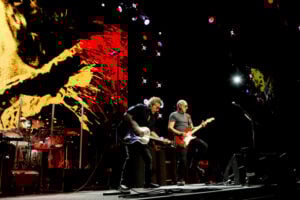
This Complete List Of The Cult Albums And Songs presents the full discography of The Cult studio albums. The Cult were formed in the early 1980s in the city of Bradford, West Yorkshire, England. This complete discography of The Cult also includes every single live album by The Cult. These iconic albums by The Cult have been presented below in chronological order. We have also included all original release dates with each album by The Cult as well as all original album covers. Every album by The Cult listed below showcases the entire album tracklisting.
THE CULT STUDIO ALBUMS
Dreamtime


Released 1984
Dreamtime is the debut album by the British rock band The Cult, released in 1984. This album captures the band at a pivotal moment, blending post-punk energy with burgeoning gothic rock influences, setting the stage for their later hard rock evolution. Recorded at Rockfield Studios in Monmouth, Wales, Dreamtime reflects the raw and unpolished energy of the band, fresh and eager to make their mark.
Produced by John Brand, the album features Ian Astbury’s distinctive, powerful vocals and Billy Duffy’s innovative guitar work, which would become hallmarks of The Cult’s sound. The rhythm section, comprising Jamie Stewart on bass and Nigel Preston on drums, provides a solid foundation for the band’s dynamic range, from the driving beats to the more atmospheric, moody segments.
The tracklist includes a mix of songs that showcase the band’s versatility and Astbury’s interest in Native American spirituality, which influences the lyrical themes. Key tracks like “Spiritwalker” and “Go West (Crazy Spinning Circles)” display the band’s ability to combine catchy melodies with deeper, more introspective lyrics. The title track, “Dreamtime,” draws listeners into a mystical journey, further emphasizing the album’s ethereal and explorative nature.
CD Track Listings:
1. Horse Nation (3:45)
2. Spiritwalker (3:38)
3. 83rd Dream (3:38)
4. Butterflies (3:00)
5. Go West (3:59)
6. Gimmick (3:33)
7. A Flower In The Desert (3:43)
8. Dreamtime (2:47)
9. Rider In The Snow (3:11)
10. Bad Medicine Waltz (5:55)
Love


Released 1985
Love, released in 1985, is the album that truly catapulted The Cult into the rock stratosphere, blending the gothic post-punk of their earlier work with a harder, more accessible rock sound. This fusion created an album that resonated widely with audiences, both in the UK and across the pond.
Recorded at Jacobs Studios in Surrey, England, Love showcases the band at their creative peak. The production, handled by Steve Brown, captures the band’s evolving sound, wrapping Ian Astbury’s iconic vocals and Billy Duffy’s powerful guitar riffs in a polished, yet still edgy production that appealed to a broad audience. The rhythm section, with Jamie Stewart on bass and Nigel Preston initially on drums, provided a solid foundation before Mark Brzezicki stepped in to complete the drumming due to Preston’s departure during the recording sessions.
The tracklist features some of The Cult’s most beloved songs, including the anthemic “She Sells Sanctuary” and the brooding “Rain,” both of which showcase the band’s knack for combining catchy hooks with a deeper, more atmospheric sound. Other standout tracks like “Nirvana,” “Love,” and “Phoenix” further demonstrate the band’s range and depth, from hard-hitting rockers to more introspective, moody pieces.
In terms of chart success, Love made a significant impact. “She Sells Sanctuary,” the album’s lead single, became a hit, propelling the album into the charts. In the UK, the album reached the top 10, while in the US, it broke into the Billboard 200, signaling the band’s growing international presence.
Love remains one of The Cult’s most enduring and influential albums, representing a pivotal moment in their career. It’s not just the collection of songs that makes the album stand out, but the way it captures a band on the cusp of greatness, marrying their post-punk roots with a more mainstream rock appeal. This album is a must-listen for fans of the 80s rock scene, encapsulating a moment when The Cult were not just participants in the music world, but shaping its future direction.
CD Track Listings:
1. Nirvana (5:27)
2. The Big Neon Glitter (4:53)
3. Love (5:32)
4. Little Face (4:57)
5. Brother Wolf, Sister Moon (6:49)
6. Rain (3:58)
7. The Phoenix (5:06)
8. The Hollow Man (4:44)
9. Revolution (5:25)
10. She Sells Sanctuary (4:19)
11. Judith (5:29)
12. Black Angel (5:25)
Electric


Released 1987
Electric, released in 1987, marks a significant shift in The Cult’s musical direction, embracing a hard rock sound that diverged from the gothic and post-punk influences of their earlier work. This transformation was masterfully executed, resulting in an album that resonated with a wider audience and solidified The Cult’s position in the rock hierarchy.
The album was recorded at the Manor Studio in Oxfordshire, England, with the legendary Rick Rubin at the helm as producer. Rubin’s influence is evident in the stripped-back, raw energy of the album, focusing on the core elements of rock ‘n’ roll. Ian Astbury’s powerful vocals and Billy Duffy’s iconic guitar riffs are front and center, supported by the solid rhythm section of Jamie Stewart on bass and the thunderous drumming of Les Warner, who had joined the band by this time.
Electric‘s tracklisting is packed with anthems that have become staples of The Cult’s live performances. Songs like “Love Removal Machine” and “Lil’ Devil” burst with infectious energy and riff-driven hooks, while “Wild Flower” and “Peace Dog” showcase the band’s ability to blend rock’s raw power with memorable melodies. The album closes with the epic “Memphis Hip Shake,” leaving listeners on a high note.
CD Track Listings:
1. Wild Flower (3:37)
2. Peace Dog (3:34)
3. Lil’ Devil (2:44)
4. Aphrodisiac Jacket (4:11)
5. Electric Ocean (2:49)
6. Bad Fun (3:37)
7. King Contrary Man (3:12)
8. Love Removal Machine (4:17)
9. Born to Be Wild (3:55)
10. Outlaw (2:52)
11. Memphis Hip Shake (3:59)
Sonic Temple


Released 1989
Sonic Temple, the fourth studio album by British rock band The Cult, released on April 10, 1989, stands as a monumental release in the band’s discography, showcasing a refined and expansive sound. The album, which would become one of The Cult’s most successful works, represents a pivotal moment, blending hard rock vigor with the mystical and dark lyrical themes that the band is known for.
Recorded during 1988, Sonic Temple saw The Cult evolving from their post-punk and gothic rock roots into a more mainstream hard rock and heavy metal sound. This transition was significantly influenced by the involvement of producer Bob Rock, known for his work with other major rock acts. Rock’s production brought a polished sheen to the band’s sound, emphasizing Billy Duffy’s powerful guitar riffs and Ian Astbury’s compelling vocals. The album was the last to feature longtime bassist Jamie Stewart and marked the first appearance of session drummer Mickey Curry, adding a new dynamic to the band’s rhythm section.
The album cover, featuring Duffy with his Gibson Les Paul, sets the tone for the music within – a blend of hard rock’s classic appeal with The Cult’s unique aesthetic. The tracklisting includes some of the band’s most enduring hits, like “Fire Woman” and “Edie (Ciao Baby)”, songs that exemplify the album’s blend of hard-hitting rock and introspective lyricism.
Upon its release, Sonic Temple reached the Cult’s highest chart positions to date, peaking at #10 on the Billboard 200 in the US and achieving Platinum status by the RIAA in 1990. This commercial success was mirrored in the UK, where the album also enjoyed significant acclaim.
Critically, Sonic Temple received a mixed reception, with some reviewers praising the band’s shift towards a more accessible rock sound, while others lamented what they saw as a departure from the band’s alternative roots. Notably, John Leland of The New York Times highlighted the album’s broad appeal and powerful production, while others, such as Robert Christgau and Chris Willman, offered more critical takes, focusing on the band’s move towards a more conventional rock sound.
In 2019, the album was re-released in a comprehensive 5-CD box set, offering fans a remastered version of the original album along with a wealth of rarities and live recordings, further cementing Sonic Temple‘s legacy within The Cult’s catalog and the broader rock landscape.
Sonic Temple represents a defining moment for The Cult, capturing a band at the height of its powers, able to craft an album that was both commercially successful and artistically compelling. With its blend of hard rock anthems and introspective ballads, the album remains a beloved classic, a testament to The Cult’s enduring appeal and their ability to evolve and adapt within the ever-changing rock landscape.
CD Track Listings:
1. Sun King (6:09)
2. Fire Woman (5:10)
3. American Horse (5:18)
4. Edie (Ciao Baby) (4:46)
5. Sweet Soul Sister (5:08)
6. Soul Asylum (7:25)
7. New York City (4:41)
8. Automatic Blues (3:51)
9. Soldier Blue (4:36)
10. Wake Up Time for Freedom (5:17)
11. Medicine Train (4:39)
Ceremony


Released 1991
Ceremony is the fifth studio album by the British rock band The Cult, released on September 23 1991. This album came at a time of significant change and challenge for the band, marked by the departure of longtime bassist Jamie Stewart and strained relations between key members Ian Astbury and Billy Duffy. Despite these difficulties, the band managed to craft an album that resonated with fans, particularly with standout tracks like “Wild Hearted Son” and “Heart of Soul.”
The recording process for Ceremony was unconventional, with Astbury and Duffy often working separately due to their disagreements. This approach, while challenging, did not detract from the creative output, resulting in an album that was eagerly anticipated following the global success of their previous albums Electric and Sonic Temple. The album’s thematic content draws heavily on Native American culture, a reflection of Astbury’s longstanding interest in indigenous spirituality and themes.
Ceremony faced its share of controversies, most notably a lawsuit involving the use of a Native American boy’s image on the album cover, leading to a significant legal battle that was eventually resolved in the band’s favor. Despite these challenges, the album achieved notable success, reaching #25 in the U.S. and #9 in Canada, and was certified platinum in Canada. However, the emergence of grunge rock and the distractions of the lawsuit impacted its overall sales and reception.
The tracklist showcases The Cult’s ability to blend hard rock with mystical and cultural themes. Songs like the title track “Ceremony” and “Wild Hearted Son” incorporate Native American dances, while “White” features an excerpt from Lawrence Lipton’s The Holy Barbarians. “Heart of Soul” starts with a nod to George Orwell’s Down and Out in Paris and London, reflecting the band’s life in LA at the time.
Despite the album’s mixed reception and the tumultuous period it represents for The Cult, Ceremony holds a special place in the band’s discography. It showcases their resilience and ability to produce compelling music even in the face of adversity. With contributions from notable musicians such as Mickey Curry on drums and Charley Drayton on bass, and the skilled mixing of Mike Fraser, the album maintains the high production values associated with The Cult’s work.
CD Track Listings:
1. Ceremony (6:26)
2. Wild Hearted Son (5:41)
3. Earth Mofo (4:42)
4. White (7:56)
5. If (5:24)
6. Full Tilt (4:51)
7. Heart of Soul (5:55)
8. Bangkok Rain (5:47)
9. Indian (4:53)
10. Sweet Salvation (5:25)
11. Wonderland (6:09)
The Cult


Released 1994
The Cult’s self-titled album, often referred to as the “Black Sheep” record due to its distinctive cover featuring a Manx Loaghtan sheep, represents a notable departure in sound and style for the English rock band. Released in October 1994 on Beggars Banquet Records, this album was the band’s final release on Sire Records in the US and showcased a grittier, more grunge and alternative rock-influenced sound that mirrored the musical landscape of the early ’90s.
The album is marked by its raw emotion and introspective lyrics, with vocalist Ian Astbury delving into deeply personal themes such as sexual abuse, loss, and existential wanderings. These themes, combined with the band’s shift towards a noise rock-infused style characterized by heavy use of distortion and feedback, made the album a poignant and vulnerable offering from the group.
Despite the band’s established legacy and the anticipation surrounding the release, The Cult faced challenges in capturing the broader audience’s attention. It charted at #69 in the US and #21 in the UK, indicating a modest reception compared to the band’s earlier successes. The album’s singles, including “Coming Down (Drug Tongue)” and “Star,” received some attention, with “Coming Down (Drug Tongue)” supporting a tour to promote the album. However, the album’s impact was somewhat muted in the wake of the rising dominance of grunge rock.
Notably, the album features one of the rare instances where Ian Astbury and Billy Duffy shared songwriting credits with another band member, bassist Craig Adams, on the track “Universal You.” This collaborative spirit extends to the album’s personnel, with contributions from drummer Scott Garrett and additional production and instrumental input from Bob Rock, who had previously worked with the band.
The album’s release included various formats and special editions, including a limited edition 7-inch vinyl single for “Gone” and an Australian version that featured a bonus CD with live recordings, adding collectible value for fans.
CD Track Listings:
1. Gone (3:49)
2. Coming Down (Drug Tongue) (6:36)
3. Real Grrrl (4:26)
4. Black Sun (6:23)
5. Naturally High (4:23)
6. Joy (4:46)
7. Star (5:02)
8. Sacred Life (5:47)
9. Be Free (3:49)
10. Universal You (5:17)
11. Emperor’s New Horse (4:22)
12. Saints Are Down (6:54)
Beyond Good and Evil


Released 2001
Beyond Good and Evil, The Cult’s eagerly anticipated album after a hiatus, was unveiled in 2001, reintroducing the band’s dynamic sound with a contemporary twist. The album, their seventh studio offering, debuted impressively across various charts, securing the 37th spot in the United States, 22nd in Canada, and 25th in Spain, underscoring the band’s enduring appeal and the strong reception of their comeback.
The album’s exploration of deep and introspective themes is hinted at in its title, Beyond Good and Evil, inspired by Friedrich Nietzsche’s philosophical treatise. This choice of title reflects the album’s lyrical depth, touching on personal and existential themes. The single “Rise” stands out as the album’s flagship track, accompanied by a music video that embodies The Cult’s resurgence with its compelling energy and presence. Although “Breathe” and “True Believers” were also promoted, they were not released as official singles, making “Rise” the primary emblem of the album’s commercial push.
A significant highlight of Beyond Good and Evil is the return of drummer Matt Sorum, marking his first studio recording with The Cult despite having previously toured with the band. This reunion added a fresh yet familiar rhythmic foundation to the album’s sound.
The album’s creation saw various tracks evolve in title and composition, reflecting the band’s dynamic creative process. The existence of multiple demo versions and CD acetates further illustrates the meticulous care taken in crafting the final sound of Beyond Good and Evil.
Upon its release, the album’s reception was marked by its chart performance, which, while notable, also highlighted the competitive and changing landscape of the early 2000s music scene. The Cult’s ability to adapt while retaining their core sound contributed to Beyond Good and Evil‘s distinct place in their discography, offering a blend of hard-hitting rock anthems and introspective tracks that resonate with long-time fans and new listeners alike.
CD Track Listings:
1. War (The Process) (4:12)
2. The Saint (3:36)
3. Rise (3:39)
4. Take The Power (3:55)
5. Breathe (4:59)
6. Nico (4:49)
7. American Gothic (3:56)
8. Ashes And Ghosts (5:00)
9. Shape The Sky (3:29)
10. Speed Of Light (4:22)
11. True Believers (5:07)
12. My Bridges Burn (3:51)
Born into This


Released 2007
Born into This, The Cult’s eighth studio album, released in 2007, marked a significant return for the band, showcasing their enduring appeal in the evolving rock landscape. This album, following six years after Beyond Good and Evil, captured the essence of The Cult’s sound while embracing the changes in the music industry.
The album saw a global release, with varying dates across the US, Canada, South Africa, Sweden, Hungary, Denmark, Spain, France, and Finland in early October. Recorded at Britannia Row Studios in London, and with additional sessions in Los Angeles and Buenos Aires, Born into This was a product of diverse influences and settings, enriching its sound.
The lead single, “Dirty Little Rockstar,” released in mid-August, was a highlight, capturing attention ahead of the album’s release. The Cult also introduced fans to the track “I Assassin” during their European tour in June 2007, showcasing the band’s commitment to blending new material with live performances.
Upon its release, the album made notable entries into various charts. In the UK, it debuted at #72, a testament to The Cult’s loyal fan base and the anticipation surrounding the album. Italy welcomed the album at #63, reflecting the band’s international appeal. In the United States, Born into This debuted at #70 on the Billboard Top 100 and achieved a commendable #17 on the Top Rock Albums chart, highlighting the band’s continued relevance in the rock genre. Canada saw the album debut at #29, with an impressive #3 entry on the Top Alternative Albums chart, underscoring The Cult’s strong presence in the North American rock scene. The album also made a significant impact in Croatia, debuting at #7, and in Germany, where it entered the charts at #81.
The “Savage Edition” of the album, featuring a bonus disc with additional tracks, offered fans a deeper dive into The Cult’s creative process, with demos, unreleased outtakes, and full-length versions enriching the listening experience.
Despite frontman Ian Astbury’s 2009 statement suggesting that Born into This might be the band’s last studio album, The Cult continued to produce new music, with subsequent releases like Choice of Weapon in 2012 and Hidden City in 2016, proving the band’s resilience and enduring appeal.
In 2018, the album was reissued on pink vinyl, limited to 2000 copies, catering to vinyl enthusiasts and collectors, and adding a special element to The Cult’s discography for fans and collectors alike.
CD Track Listings:
1. Born Into This (4:04)
2. Citizens (4:32)
3. Diamonds (4:06)
4. Dirty Little Rockstar (3:40)
5. Holy Mountain (3:42)
6. I Assassin (4:13)
7. Illuminated (4:07)
8. Tiger In The Sun (5:07)
9. Savages (3:54)
10. Sound of Destruction (3:30)
Choice of Weapon

Released 2012
Released in May 2012, Choice of Weapon is the ninth studio album by The Cult, arriving after some anticipation and a slight delay from its originally planned 2011 release. The making of this album marked a significant period for the band, as they re-entered the studio to create new music for the first time since their 2007 album, Born into This. The recording process, which began in March 2011, unfolded across various locations, including the bustling cities of New York and Los Angeles, as well as the serene expanses of the California desert, wrapping up in early 2012.
This album stands out in The Cult’s discography for several reasons, not least because it saw the band collaborate with two notable producers. Chris Goss, known for his work on the band’s 2010 Capsule EPs, initially took the helm before Bob Rock, a familiar face from past projects like 2001’s Beyond Good and Evil, joined to co-produce, blending their distinctive styles to shape the album’s sound.
The return to the studio was a notable reversal from previous statements made by lead singer Ian Astbury, who had expressed doubts about the viability of traditional albums in the modern music landscape. Yet, by 2011, The Cult was back in the creative saddle, spurred on by Astbury’s announcement during a concert that a new album was on the horizon. This project not only marked a continuation of the band’s legacy but also represented a period of stability in the lineup, with no changes in personnel from the previous album—a rarity in The Cult’s history.
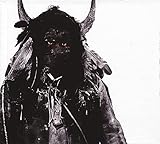
The lead single, “For the Animals,” encapsulated the band’s raw energy and was introduced to fans via an online stream on Rolling Stone’s website in March 2012, ahead of its official radio release. The album’s artwork, featuring a Plains Indian shaman, reflects Astbury’s long-standing fascination with indigenous cultures, adding a layer of personal significance to the project.
CD Track Listings:
1. Honey From A Knife (3:06)
2. Elemental Light (4:45)
3. For The Animals (4:28)
4. Life > Death (5:32)
5. The Wolf (3:33)
6. Amnesia (3:02)
7. Lucifer (4:40)
8. Wilderness Now (4:33)
9. A Pale Horse (3:14)
10. This Night In The City Forever (4:45)
Hidden City


Released 2016
Hidden City, The Cult’s tenth studio album, was unveiled on February 5, 2016, through Cooking Vinyl and Dine Alone Records. This album concludes a trilogy that commenced with Born into This (2007), showcasing the band’s evolving narrative and musical journey. Notably, Hidden City is the first album since the band’s 1994 self-titled release not to feature bassist Chris Wyse; instead, bass duties were handled by producer Bob Rock and Chris Chaney of Jane’s Addiction. This collaboration with Rock marked the fifth occasion he had produced an album for The Cult.
Upon its release, Hidden City was met with a mix of reviews, generally skewing towards the positive. The album’s production, under Rock’s guidance, was highlighted for its lush, enveloping soundscapes that frame Ian Astbury’s powerful vocals and Billy Duffy’s iconic guitar work. The album’s thematic depth, blending spiritual and mystical elements, was also praised.
Hidden City saw The Cult exploring a range of sounds, from post-punk broodiness to the heavy metal vigor, all while maintaining the unique chemistry between Astbury’s mystical inclinations and Duffy’s grounded guitar riffs. This dynamic has been a cornerstone of the band’s sound, contributing to their distinct place within the rock genre.
The album’s reception in the charts was modest yet respectable, reflecting its impact and reach across different markets. In the UK, it debuted at number 19, while in the US, it entered the Billboard 200 at position 153. Other notable chart positions include number 42 in Australia, 51 in Germany, and 36 in the Netherlands, among others, showcasing the band’s international appeal.
Hidden City also included several music videos directed by Juan Azulay, providing visual complements to tracks like “G O A T,” “Hinterland,” “Deeply Ordered Chaos,” and “Dark Energy,” further enriching the album’s narrative and thematic elements.
CD Track Listings:
1. Dark Energy (4:26)
2. No Love Lost (3:13)
3. Dance the Night (4:15)
4. In Blood (4:48)
5. Birds of Paradise (6:26)
6. Hinterland (5:06)
7. G O A T (3:18)
8. Deeply Ordered Chaos (4:32)
9. Avalanche of Light (4:31)
10. Lilies (4:16)
11. Heathens (3:39)
12. Sound and Fury (3:54)
Under the Midnight Sun
Released 2022
Under the Midnight Sun, The Cult’s eleventh studio release, dropped on October 7, 2022, through Black Hill Records, marking a significant moment in the band’s storied history. This album, produced primarily by Tom Dalgety at the iconic Rockfield Studios—a site of profound historical significance for the band, as it was where they recorded their debut album Dreamtime—serves as the culmination of a trilogy that began with Born into This.
In the years leading up to this release, there was much speculation and anticipation about new music from The Cult. By 2020, the band had officially announced their partnership with Black Hill Records, setting the stage for their next creative chapter. Recording commenced with Dalgety at the helm, a process that spanned across two years, slowed by the global pandemic but enriched by the remote collaboration between the band members in the UK and Ian Astbury in the US.
The album’s lead single, “Give Me Mercy,” emerged in July 2022, offering fans a first taste of what to expect from the new record. Astbury’s inspiration for the album’s title and thematic essence traces back to a vivid experience at the Provinssirock festival in Finland during 1986, an experience that left a lasting impression on him and shaped the album’s narrative.
Notably, Under the Midnight Sun is the first album since 2001’s Beyond Good and Evil not to feature John Tempesta on drums, with Ian Matthews of Kasabian stepping in to provide the percussive backbone for the record.
Upon its release, the album received a mix of reviews but generally leaned towards the positive. Critics praised the album for capturing elements of The Cult’s classic sound while also exploring new musical territories.
The tracklist, penned mostly by Astbury and Duffy, with Dalgety contributing to several songs, showcases a blend of the band’s rock roots and exploratory new sounds, from the introspective “Mirror” to the anthemic title track “Under the Midnight Sun.”
The personnel on this album, including Astbury’s unmistakable vocals and Duffy’s guitar work, alongside contributions from Charlie Jones on bass and Damon Fox on piano, underscore The Cult’s ability to evolve while maintaining the core elements that have defined their sound for decades.
CD Track Listings:
- “Mirror” (Astbury, Duffy, and Tom Dalgety) – 3:48
- “A Cut Inside” – 3:59
- “Vendetta X” – 3:23
- “Give Me Mercy” (Astbury, Duffy, and Dalgety) – 3:37
- “Outer Heaven” (Astbury, Duffy, and Dalgety) – 4:54
- “Knife Through Butterfly Heart” – 6:04
- “Impermanence” (Astbury, Duffy, and Dalgety) – 4:13
- “Under the Midnight Sun” (Astbury, Duffy, and Dalgety) – 5:04
THE CULT LIVE ALBUMS
Live Marquee London MCMXCI


Released 1993
CD Track Listings:
Disc 1
1. Nirvana (4:36)
2. Lil’ Devil (2:59)
3. Spiritwalker (3:53)
4. Horse Nation (3:52)
5. Zap City (5:09)
6. Brother Wolf, Sister Moon (6:41)
7. Revolution (6:16)
8. Love (5:58)
9. Rain (5:21)
Disc 2
1. The Phoenix (4:59)
2. Wild Flower (4:14)
3. She Sells Sanctuary (4:36)
4. Full Tilt (4:48)
5. Amplification Breakdown (5:28)
6. Peace Dog (4:12)
7. Love Removal Machine (5:52)
8. Earth Mofo (6:13)
9. Fire Woman (6:19)
Dreamtime Live At The Lyceum

Released 1996
CD Track Listings:
1. 83rd Dream (4:32)
2. Gods Zoo (3:32)
3. Gimmick (3:53)
4. Bad Medicine Waltz (4:05)
5. A Flower in the Desert (3:41)
6. Go West (4:19)
7. Butterflies (3:03)
8. Dreamtime (2:54)
9. Christians (3:55)
10. Spiritwalker (3:20)
11. Horse Nation (3:33)
12. Bone Bag (4:16)
13. Ghost Dance (3:33)
14. Brothers Grimm (4:22)
15. Moya (4:39)
THE CULT COMPILATION ALBUMS
Pure Cult: For Rockers, Ravers, Lovers And Sinners


Released 1993
CD Track Listings:
1. She Sells Sanctuary (4:13)
2. Fire Woman (5:12)
3. Lil’ Devil (2:45)
4. Spiritwalker (3:50)
5. The Witch (4:18)
6. Revolution (4:15)
7. Wild Hearted Son (4:26)
8. Love Removal Machine (4:17)
9. Rain (3:56)
10. Heart of Soul (4:34)
11. Love (5:26)
12. Wild Flower (3:35)
13. Go West (3:58)
14. Resurrection Joe (4:15)
15. Sun King (6:08)
16. Sweet Soul Sister (3:31)
17. Earth Mofo (4:41)
High Octane Cult: The Ultimate Collection


Released 1996
CD Track Listings:
1. In The Clouds
2. She Sells Sanctuary
3. Fire Woman
4. Lil’ Devil
5. Spiritwalker
6. The Witch
7. Revolution
8. Coming Down
9. Love Removal Machine
10. Rain
11. Edie (Ciao Baby)
12. Heart Of Soul
13. Star
14. Wild Flower
15. Resurrection Joe
16. Wild Hearted Son
17. Sweet Soul Sister
18. Beauty’s On The Street
Rare Cult


Released 2000
CD Track Listings:
Disc One:
1. Ghost Dance (radio session) (3:20)
2. Bad Medicine Waltz (radio session) (4:25)
3. Resurrection Joe (radio session) (5:11)
4. Go West (Crazy Spinning Circles) (radio session) (4:15)
5. Bone Bag (3:46)
6. Sea and Sky (3:30)
7. She Sells Sanctuary (Howling mix) (8:26)
8. No. 13 (4:40)
9. The Snake (8:09)
10. (Here Comes the) Rain (6:19)
11. Little Face (4:53)
12. Spiritwalker (radio session) (3:57)
13. Revolution (radio session) (6:01)
14. All Souls Avenue (radio session) (4:18)
15. Big Neon Glitter (radio session) (4:35)
Disc Two
1. Revolution (Full Length remix) (5:29)
2. Judith (5:29)
3. Sunrise (5:11)
4. All Souls Avenue (4:45)
5. Electric Ocean (original version) (4:02)
6. Go Go Guru (original version) (4:05)
7. Love Removal Machine (radio session) (4:02)
8. Conquistador (radio session) (2:48)
9. King Contrary Man (radio session) (3:53)
10. Electric Ocean (radio session) (4:10)
11. Zap City (demo) (4:44)
12. Love Trooper (demo) (3:53)
13. El Progresso (demo) (2:45)
14. Peace Dog (demo) (4:06)
15. Oink (Version One) (demo) (3:50)
16. Waltz (demo) (3:49)
17. [untitled] (backing track demo one) (2:49)
18. Groove Co. (demo) (3:36)
19. [untitled] (backing track demo two) (2:29)
Disc Three
1. Love Removal Machine (5:16)
2. Wild Flower (4:11)
3. Peace Dog (5:09)
4. Aphrodisiac Jacket (4:26)
5. Electric Ocean (4:14)
6. Bad Fun (6:25)
7. Conquistador (2:53)
8. Zap City (5:16)
9. Love Trooper (3:56)
10. Outlaw (5:08)
11. Groove Co. (4:21)
12. Walk My Way (Jam Session) (8:56)
Disc Four
1. Wild Flower (extended rock mix) (5:50)
2. Outlaw (alternate mix) (2:53)
3. Wolf Child’s Blues (7:20)
4. Go Go Guru (Rubin version) (3:59)
5. Down So Long (5:58)
6. Soldier Blue (Werman version) (4:38)
7. Zodiac (demo) (3:29)
8. Yes Man (demo) (5:08)
9. Citadel (demo) (4:15)
10. The Crystal Ocean (demo) (5:08)
11. Lay Down Your Gun (Version One) (demo) (6:52)
12. Bite on the Bullet (demo) (5:06)
13. Iron Star (demo) (4:24)
14. Star Child (demo) (3:39)
15. Messin’ Up the Blues (5:44)
16. Sonic Temple Radio Promo (0:30)
Disc Five
1. Fire Woman (NYC rock mix) (7:21)
2. Medicine Train (demo) (4:31)
3. New York City (demo) (5:00)
4. Sweet Soul Sister (Rock’s Mix) (6:55)
5. Bleeding Heart Graffitti (4:58)
6. The River (6:51)
7. Indian (demo) (3:39)
8. Spanish Gold (Version One) (demo) (5:51)
9. Host of Angels (demo) (5:48)
10. Northern Man (demo) (4:53)
11. Auto (demo jam) (3:27)
12. Red Jesus (4:54)
13. Join Hands (5:03)
14. Edie (Ciao Baby) (acoustic) (4:17)
15. Love Removal Machine (live session) (5:12)
Disc Six
1. Faith Healer (5:17)
2. Full Tilt (live session) (4:53)
3. Earth Mofo (live session) (4:48)
4. Heart of Soul (acoustic) (4:32)
5. The Witch (full version) (6:56)
6. Coming Down (Put the Boot In) (7:08)
7. Breathing Out (5:59)
8. Gone (Degenerate) (4:19)
9. Down On Me (5:15)
10. Beauty’s on the Street (4:42)
11. Splunge / Relapse (5:07)
12. North (4:36)
13. Sacred High (6:05)
14. In the Clouds (alternate edit) (3:56)
Best Of Rare Cult


Released 2000
CD Track Listings:
1. Love Removal Machine (Peace remix) (5:16)
2. Zap City (5:15)
3. Faith Healer (5:16)
4. She Sells Sanctuary (long version) (6:58)
5. Edie (Ciao Baby) (acoustic) (4:18)
6. Little Face (4:55)
7. Spanish Gold (4:55)
8. Love Trooper (3:54)
9. The River (6:50)
10. Lay Down Your Gun (version two) (5:11)
11. No. 13 (4:39)
12. Bleeding Heart Graffitti (5:00)
13. Sea and Sky (3:31)
14. Go West (Crazy Spinning Circles) (original mix) (3:45)
15. Join Hands (5:03)
Feature Photo: Teresa Sedó, CC BY 2.0 <https://creativecommons.org/licenses/by/2.0>, via Wikimedia Commons
Complete List Of The Cult Albums And Discography article published on Classic RockHistory.com© 2024